
Gertrude Stein

Gertrude Stein (1874–1946) was an American writer, poet and playwright. She moved to France in 1903, where she lived with her partner Alice B. Toklas and set up a famous literary salon frequented by luminaries including Matisse, Picasso, F. Scott Fitzgerald and Hemingway. She is best known today for her memoir, The Autobiography of Alice B. Toklas, and for her avant-garde novels Q.E.D., Fernhurst, Three Lives and Tender Buttons.

Blood on the Dining-Room Floor
Written in 1933, immediately following the publication of the wildly successful Autobiography of Alice B. Toklas, Blood on the Dining-Room Floor is one of Stein’s most avant-garde pieces of writing, taking the murder mystery genre and working it masterfully into a Modernist mould.

Miss Furr and Miss Skeene and Men
While some of Stein’s queer works made it into print in her lifetime, including The Autobiography of Alice B. Toklas, much of her more daring early queer stories only saw the light of day after her death, when Yale set to publishing her complete works. Now that ‘The love that dare not speak its name’ may be bolder, this collection aims to restore Stein’s short, queer works to the canon, and to burnish her status as an early queer icon.
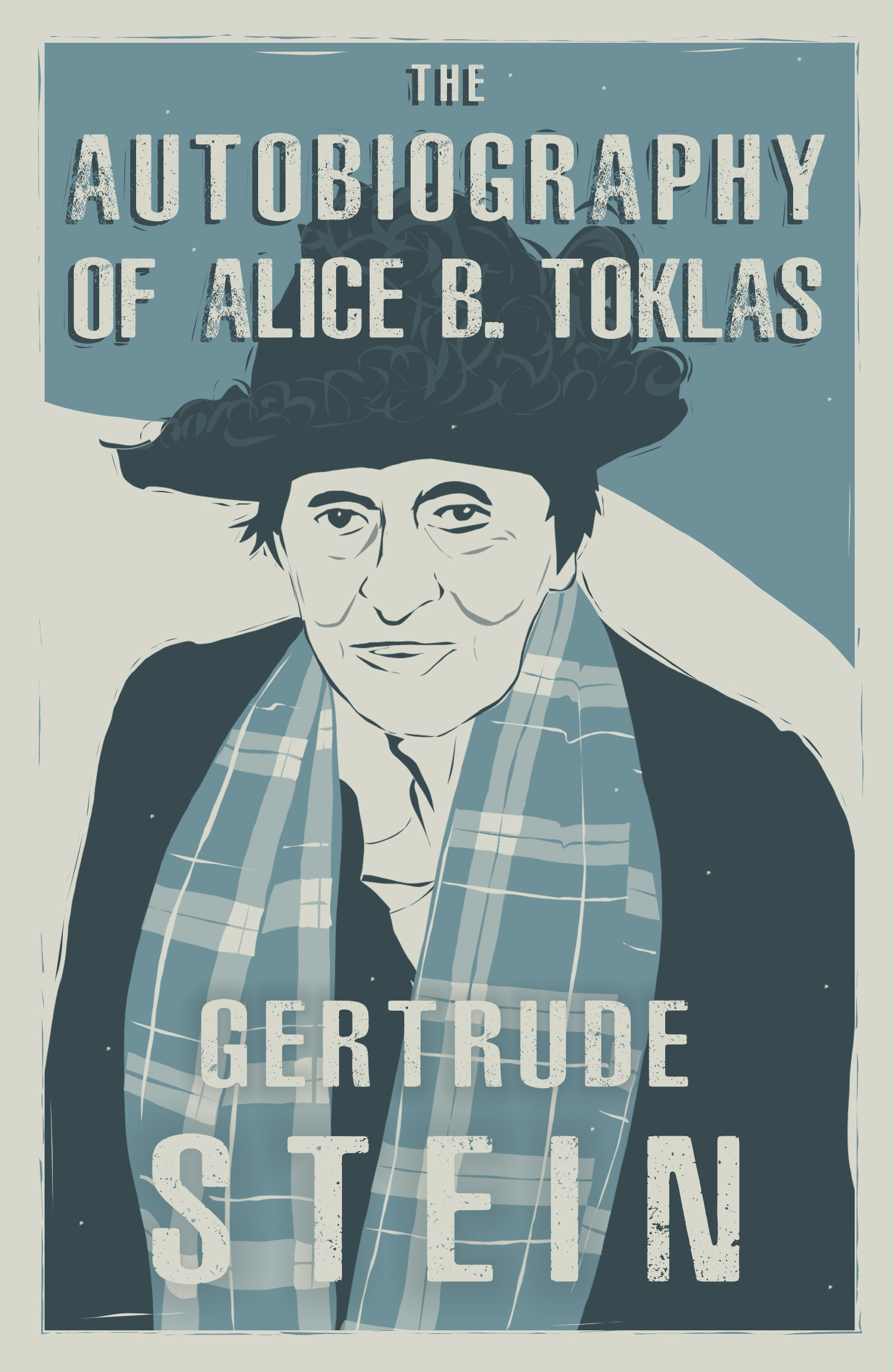
The Autobiography of Alice B. Toklas
First published in 1933 at the height of Stein’s popularity and literary prowess, The Autobiography of Alice B. Toklas is one of the most avant-garde pieces of non-fiction of the last century. Taking as its form that of ‘autobiography’, told through the eyes of her life partner Toklas, Stein’s book provoked wild debate, and was pored over for its representations of the elite Paris art scene. Charting Toklas’s early life in San Francisco, life in Paris with Stein and the war years spent in Spain, this is not only a wildly important piece of early LGBTQ+ literature, but, much like Woolf’s Orlando, which perhaps inspired it, this is Modernism at its finest.

Under the grey, industrial skies of Bridgepoint (a thinly veiled Baltimore), three women – Anna, Melanctha and Lena – live out their lives, toiling miserably. With a heavy literary nod to Gustave Flaubert’s Three Tales, Stein’s Three Lives, separated into three distinct parts, paints a powerful portrait of women trapped in work. An astonishing work that toys with conventions from both literature and art, Three Lives stands as a monument in Modernism and experimental literature, and comes from the pen of a writer whose intelligence and compassion bleeds from every page.