
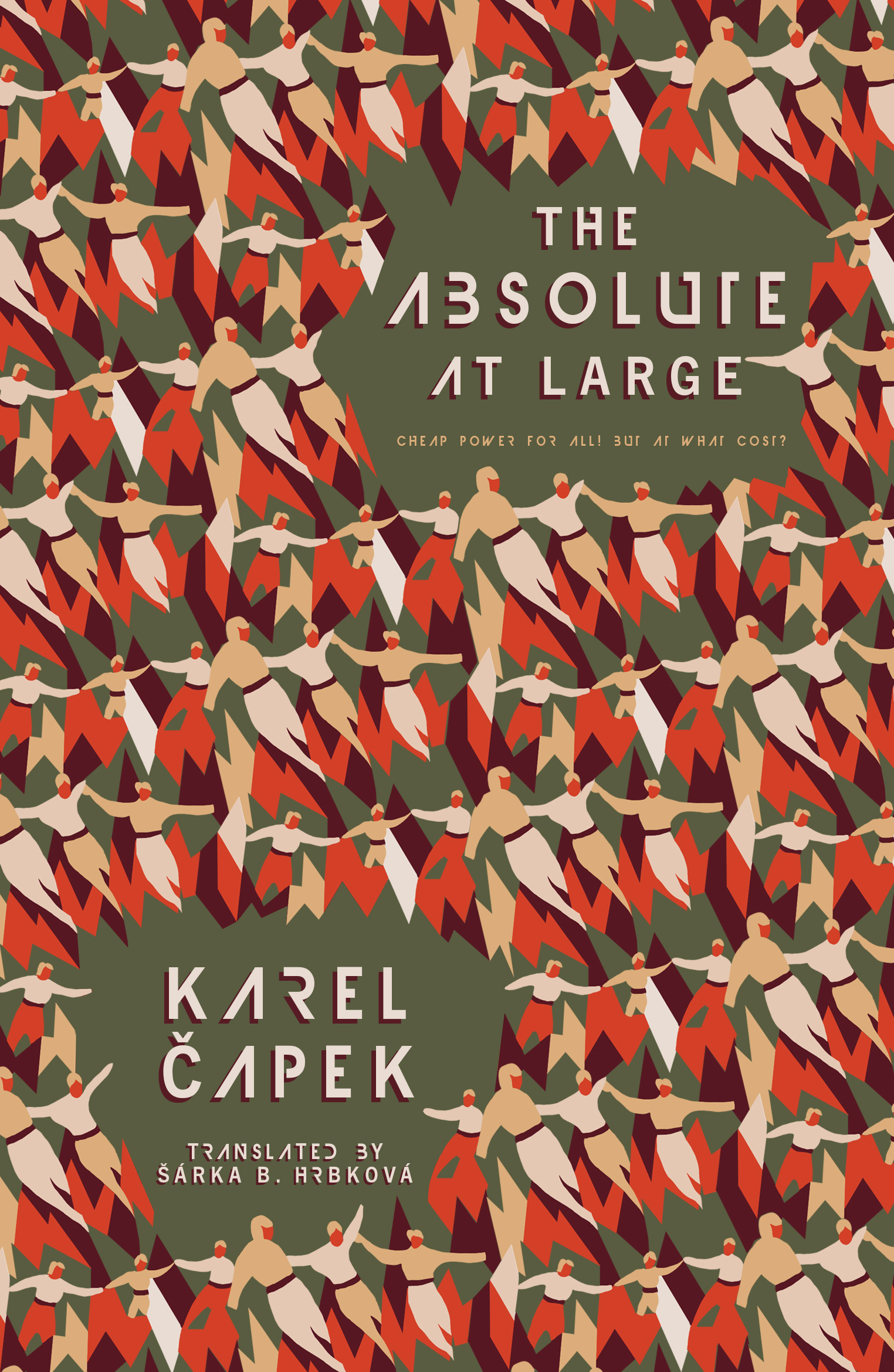
Product details
Imprint: Renard Press
ISBN: 9781804472453
Paperback • 208pp • £9.99
129 mm x 198 mm
17/05/27
Thema: FLC, FLQ, KNB
EU Safety Information/EU Authorised Representative Information here
The Absolute at Large
Cheap Power for All! But at What cost?
Karel Čapek
Translated by Šárka B. Hrbková
ISBN: 9781804472453
Paperback • 208pp
Published 17 May 2027
£9.99
Free UK delivery on orders over £25
The invention I am going to show you means a bigger revolution in technical methods than Watt’s invention of the steam engine. To give you its nature briefly, it provides, putting it theoretically, for the complete utilisation of atomic energy.
An engineer invents a machine that is capable of producing unlimited free energy – the only catch is it operates by annihilating matter, and as a byproduct it produces ‘the Absolute’, a corrupting spiritual essence. Nonetheless the promise of free energy leads to widespread adoption of the machines, and soon the Absolute is infused into the very atmosphere, leading to outbursts of religious and nationalist fervour and, ultimately, to war.
An extraordinary, mind-bending work from one of the twentieth century’s leading antifascist writers, this work of science fiction hits a little close to the bone in the current energy-obsessed era. It’s high time Čapek’s name was more familiar to English readers – his powers of observation and politically crafted novels have never been more needed.
Critic reviews
‘There was no writer like him… he is a joy to read.’
Arthur Miller
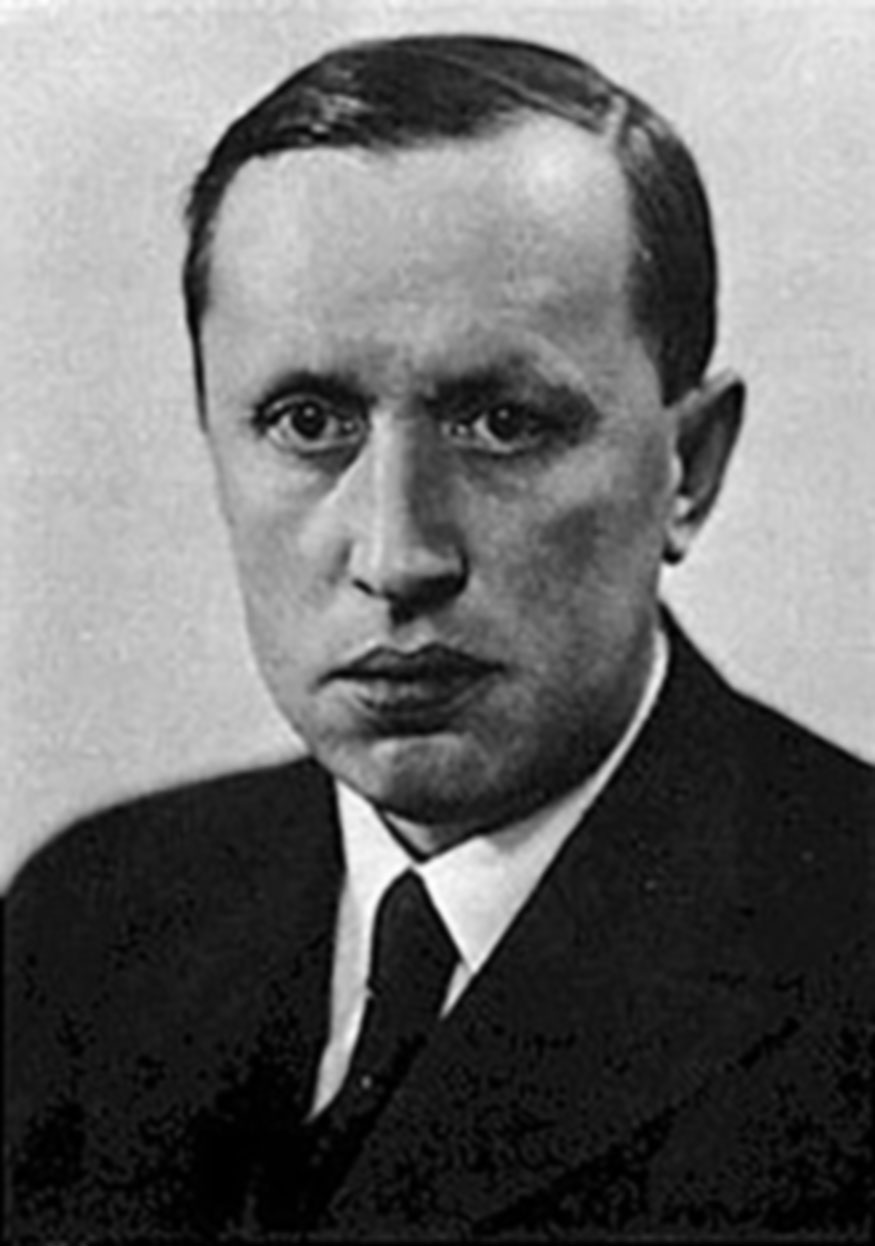
About the author
Karel Čapek (1890–1938) was a Czech writer and critic, best remembered for his science-fiction works, including the novels War with the Newts (1936) and The Absolute at Large (1922) and the play R.U.R. (1920), which is credited with coining the word ‘robot’. His works were deeply political and antifascist, championing the freedom of expression, and this activism in the face of the Nazi rise to power led to his being declared a public enemy. He was well fêted as a writer in his lifetime, nominated for the Nobel Prize in Literature seven times, although his novels found a greater readership posthumously, and his legacy has been burnished in the intervening years.